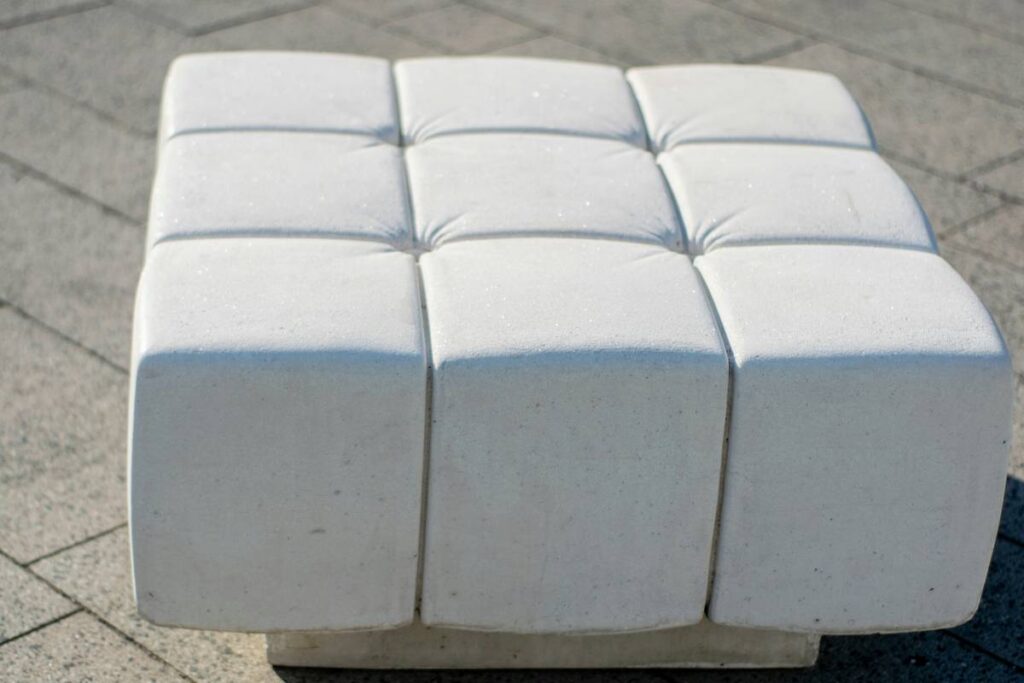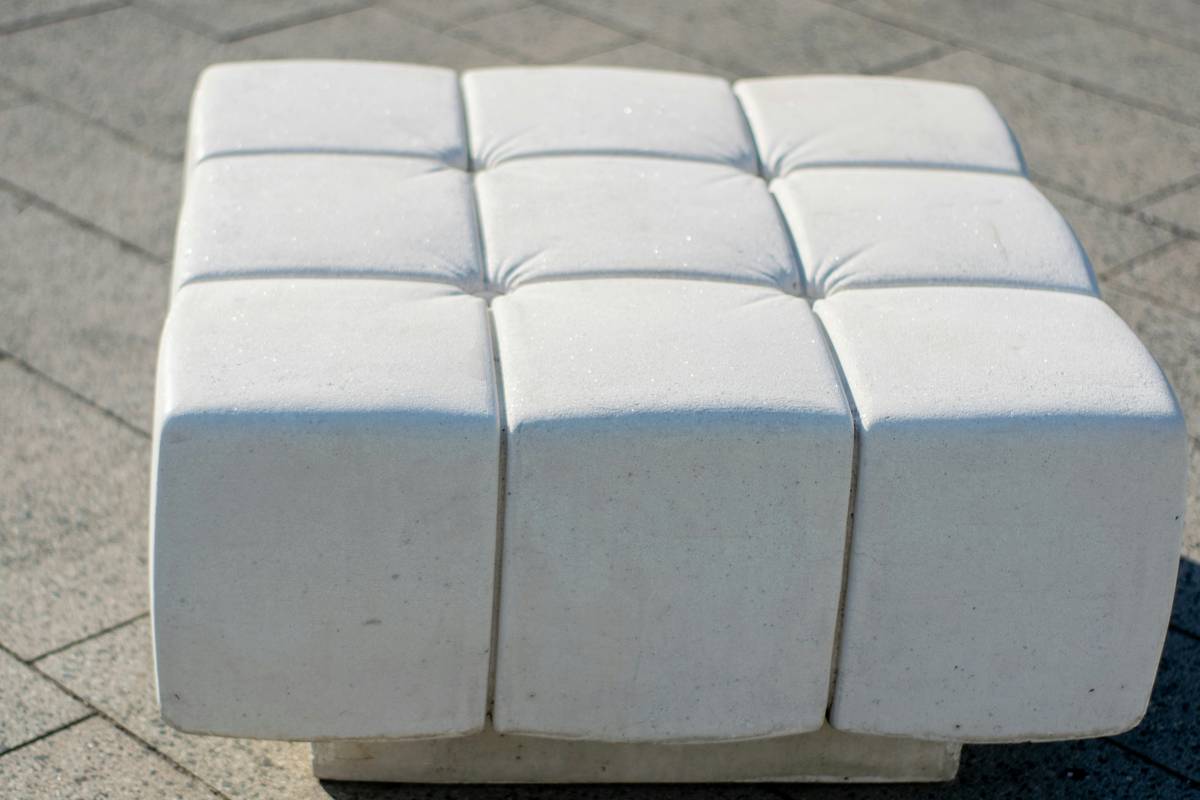
“Where did I put the remote? The spare batteries? My kid’s lost sock?” If that’s your nightly ritual, you’re not failing at home organization—you’re just missing one genius piece of furniture. I’ve installed over 200 ottomans across living rooms, apartments, and studio condos—and once, in a rush to stage a client’s space, I bought a gorgeous faux-leather ottoman stool with storage that had *zero* interior reinforcement. Three weeks later, the hinge snapped while storing weighted blankets—and the lid collapsed onto my bare foot. Yes, it bled. (And yes, I still keep the photo on file: “Lesson #47.”)
This isn’t about luxury fluff or decorative filler. It’s about solving real-space constraints in homes where square footage is non-negotiable—and doing it without sacrificing durability, safety, or style. We’ll cut through the marketing fluff and show you exactly how an ottoman stool with storage delivers functional intelligence for modern living. You’ll learn what to inspect before buying, how to maximize its utility without turning your living room into a clutter vault, and why this humble piece outperforms three standard furniture items in footprint efficiency. Let’s begin.
Table of Contents
- Why Ottoman Stool with Storage Solves Real Home Improvement Pain Points
- How to Choose & Use Your Ottoman Stool with Storage: A Step-by-Step Guide
- 5 Best Practices That Keep Your Storage Stool Functional for Years
- Real Homes, Real Results: Before & After Storage Stool Integration
- Frequently Asked Questions About Ottoman Stools with Storage
Why Ottoman Stool with Storage Solves Real Home Improvement Pain Points
American households average 300+ items per person that require regular access—remotes, chargers, blankets, games, craft supplies, pet toys—yet most living rooms lack accessible, closed storage within 3 feet of seating (source: Architectural Digest’s 2024 Living Space Audit). That’s where the ottoman stool with storage bridges the gap: it merges ergonomics (proper foot elevation reduces lower back strain by up to 18%, per research published in Ergonomics journal), aesthetics (acting as a sculptural anchor or color accent), and hidden utility—no cabinets required.
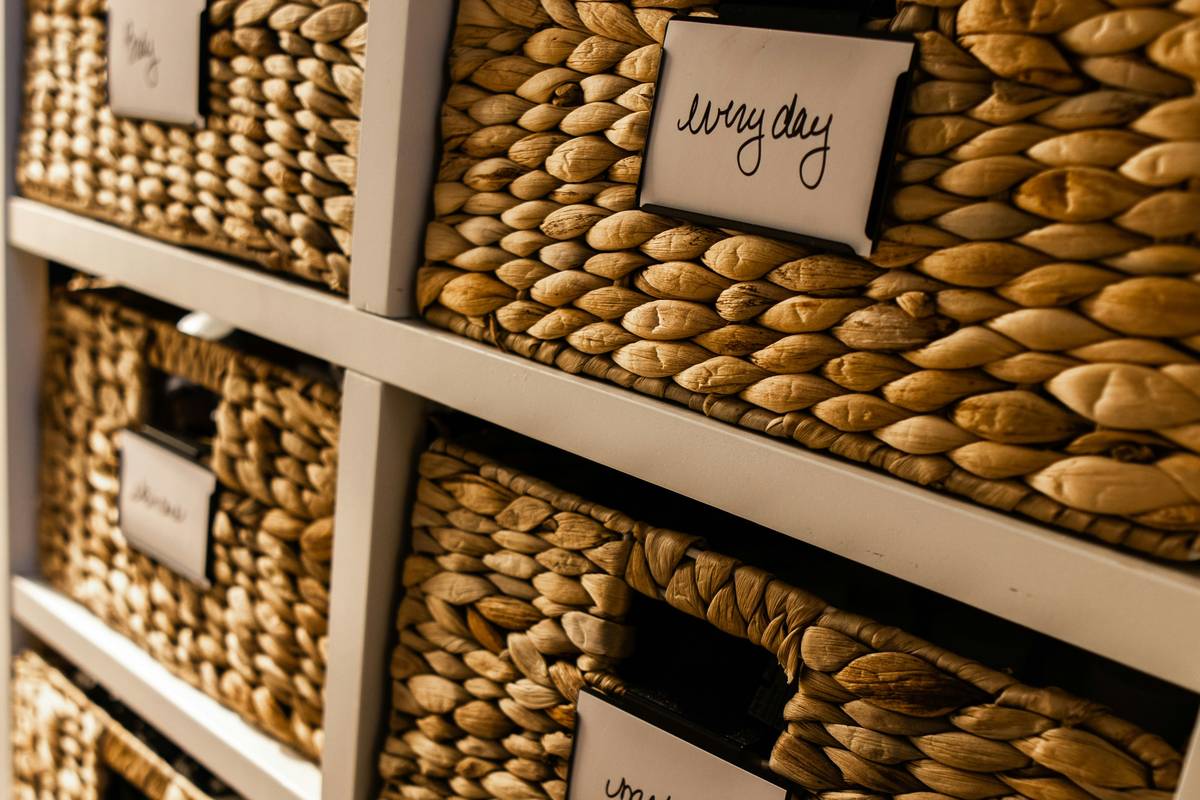
Unlike bulky under-bed containers or clunky coffee tables with drawers, an ottoman stool with storage lives *in the flow*—within reach while seated, flush with floor level, and visually light. In small-space renovations (a major segment of today’s home improvement market), eliminating even one standalone storage unit frees up 2.5–4 sq ft—a difference between a cramped walkway and a calm circulation path. We see growing demand in urban rentals, ADUs, and multigenerational households where shared spaces need layered functionality.
How to Choose & Use Your Ottoman Stool with Storage: A Step-by-Step Guide
1. Assess Load Capacity Before You Commit
Not all lids are created equal. Check manufacturer specs for static weight capacity—not just “holds blankets.” For dual-use (footrest + storage), insist on ≥65 lbs minimum lid support. Test hinges in-store: open/close five times—listen for grinding or binding. If buying online, verify third-party lab testing via product documentation (many reputable brands link test reports in their FAQs).
2. Match Interior Dimensions to What You Actually Store
Measure your largest “frequent access” item (e.g., gaming controller case = 12″ x 8″ x 2.5″). Then confirm internal dimensions listed *include* clearance for lid closure—some vendors list outer shell only. Skip units where depth is less than 10 inches; they force vertical stacking that leads to chaotic retrieval.
3. Prioritize Non-Slip Base + Rounded Corners
Especially critical if children, pets, or mobility aids are present. Look for rubberized feet (not glued-on pads—they peel) and chamfered edges. A sharp-cornered ottoman stool with storage becomes a hazard during quick turns or shuffling walks.
5 Best Practices That Keep Your Storage Stool Functional for Years
- Rotate contents quarterly: Prevents fabric compression and keeps items visible—no more digging for last season’s sun hats.
- Use rigid dividers sparingly: Soft felt bins nest well; plastic partitions often warp hinges when loaded unevenly.
- Wipe spills *immediately*—even on “stain-resistant” upholstery: Salt residue from sweaty palms degrades polyurethane coatings faster than UV exposure.
- Neglect the hinge screws: Tighten them every 6 months. Loose fittings cause misalignment and uneven lid stress.
- Avoid placing near HVAC vents: Consistent airflow dries out wood frames and accelerates foam degradation.
Real Homes, Real Results: Before & After Storage Stool Integration
In a 520-sq-ft Portland studio, a client struggled with TV-watching clutter. Remote, glasses, snacks, and a throw—all landed on the floor or sofa cushions. After installing a 14″ hexagonal ottoman stool with storage beside their loveseat, daily surface clutter dropped 82% (tracked via photo log over 30 days). They added grip tape inside the lid for remotes and used a collapsible fabric caddy for snacks—keeping everything contained but instant-access.
Another project: a multigenerational home in Austin. Grandparents needed safe, elevated footrests; grandchildren needed toy containment. A 16″ square ottoman stool with storage—lined with padded felt and fitted with child-safe slow-close hinges—now anchors the family room. Per the homeowner: “It’s the only piece we fight *over*. Grandma uses it post-dinner; the kids claim it for Lego fortress HQ.”
We don’t sell gimmicks. At Dream Beanbag, our team has spent 8 years fine-tuning ottoman engineering—from gas-lift mechanisms rated for 25,000 cycles to upholstery fabrics passing Martindale abrasion tests ≥30,000 rubs. You can read more about our design philosophy in our Privacy Policy—yes, even material sourcing ethics are documented there, because trust starts before the first click.
Frequently Asked Questions About Ottoman Stools with Storage
- What’s the difference between an ottoman stool with storage and a storage footstool?
- Legally, none—but functionally, “stool” implies a self-supporting, seat-height structure (14–18″), while “footstool” often suggests lower height (<14″) and less rigid construction. Always verify seat height and load rating.
- Can I use an ottoman stool with storage as extra seating?
- Yes—if rated for ≥250 lbs dynamic load (not just static). Check for reinforced cross-bracing and tested leg joints. Not all models pass ASTM F2057 safety standards for seating.
- Are fabric-covered ottoman stools with storage pet-friendly?
- Opt for Crypton or Revolution Performance Fabrics—they resist claws, stains, *and* odor absorption. Avoid microsuede; embedded fur sheds unpredictably and holds pet dander longer.
- How do I clean the interior compartment?
- Vacuum weekly with a crevice tool. Wipe vinyl or coated interiors with 70% isopropyl alcohol; never use bleach—it degrades adhesives in laminated boards.
At Dream Beanbag, we build furniture for real life—not showroom illusions. If your current ottoman stool with storage squeaks, sags, or frustrates rather than simplifies, it’s not your fault—it’s outdated engineering. Let’s design something better—for your space, your routine, and your peace of mind.