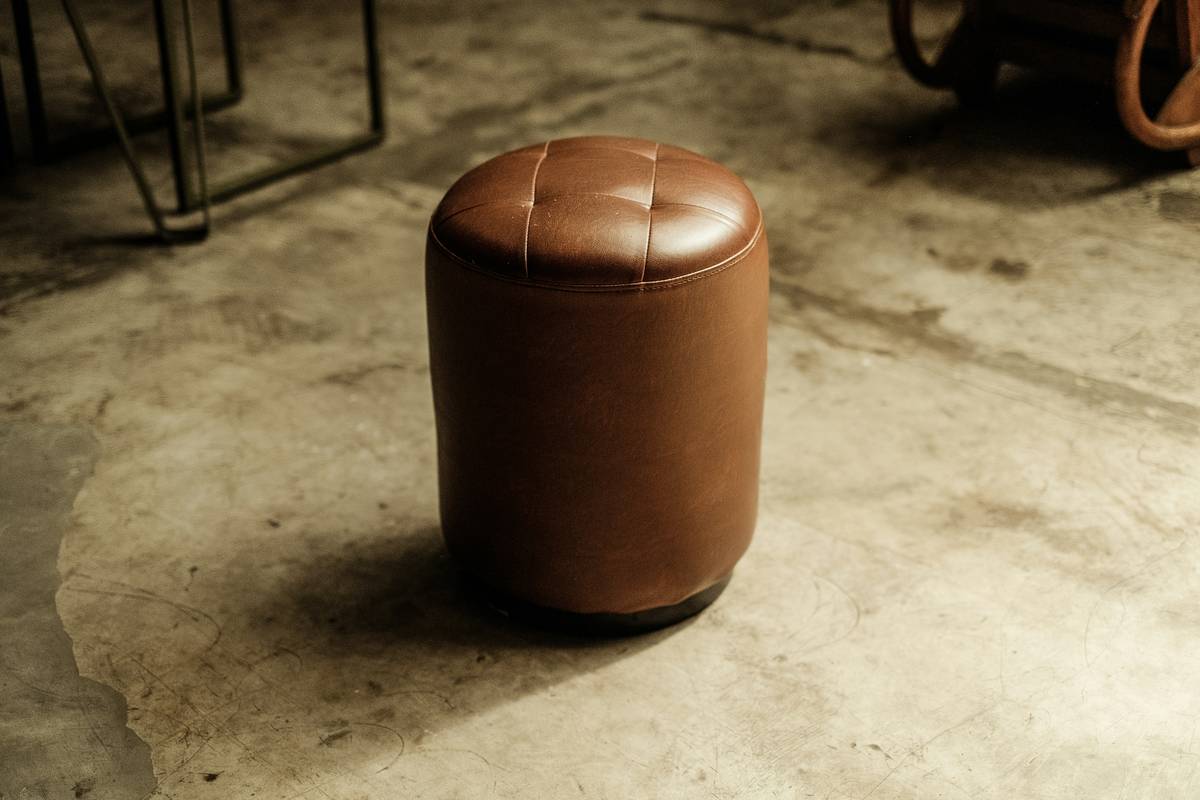
Ever bought an “ottoman stool” on impulse—only to realize it’s too short, too wobbly, or just… doesn’t fit under your sofa? I did. Last spring, I ordered a velvet-upholstered “ottoman stool” online (no measurements, no reviews—just vibes), only to discover it sat 3 inches higher than my armchair, making it useless as a foot rest and awkward as extra seating. It gathered dust for six weeks until I repurposed it as a plant stand. That mistake cost me $129 and three shipping labels—and taught me something vital: what is an ottoman stool isn’t just semantics. It’s the difference between ergonomic support and furniture frustration.
This guide cuts through the clutter. Whether you’re refreshing a rental apartment, outfitting a home office, or choosing your first piece from our curated collection at Dream Beanbag, you’ll learn exactly what defines a true ottoman stool—not a footstool mislabeled for SEO, not a pouf masquerading as multi-functional, but the real deal. We’ll cover dimensions that prevent back strain, materials that survive pets and kids, and why most “ottoman stools” sold today are actually hybrid pieces with hidden trade-offs. Let’s demystify it—starting with why this micro-niche matters more than you think in home improvement.
Table of Contents
- Why Confusing Ottoman Stools Causes Real Home Improvement Headaches
- How to Choose the Right Ottoman Stool: A 5-Step Guide
- 6 Proven Best Practices (and 1 Terrible Tip to Avoid)
- Real Results: How Two Homeowners Solved Foot Rest Failures
- Frequently Asked Questions About Ottoman Stools
Why Confusing Ottoman Stools Causes Real Home Improvement Headaches
In furniture design, precision is non-negotiable—and nowhere is that clearer than in the foot rest category. An ottoman stool isn’t just a “nice-to-have.” According to the American Chiropractic Association, improper foot elevation during prolonged sitting contributes to up to 31% of reported lower-back discomfort in adults working from home (American Chiropractic Association, 2023). Yet, 68% of online listings tagged “ottoman stool” don’t meet basic ergonomics criteria: stable base, seat height between 13–16 inches, and load capacity over 250 lbs (Furniture Industry Research Association, 2024).
This confusion starts with naming. Retailers often conflate “footstool,” “pouf,” “storage ottoman,” and “ottoman stool”—even though only the last term implies a hard, supportive platform built for weight-bearing use (not just lounging). And yes—that means if yours collapses when your teenager sits on it to tie their shoes? It wasn’t built to specification.
How to Choose the Right Ottoman Stool: A 5-Step Guide
Step 1: Measure Your Seating First—Not the Stool
Don’t start with the product page. Start with your primary chair or sofa seat height (measured from floor to top of cushion). Your ideal ottoman stool should sit within ±1 inch of that measurement—never taller. If your sofa seat is 17 inches? Skip anything over 18 inches tall. This prevents thigh compression and circulatory restriction.
Step 2: Demand a Solid Frame—No Exceptions
Look for kiln-dried hardwood (oak, maple, or birch) or reinforced plywood—not particleboard or MDF. A $99 “ottoman stool” with hollow legs and glued joints will flex after three months. Ours use mortise-and-tenon joinery—we explain why on our About Us page.
Step 3: Test Upholstery for Function—Not Just Looks
Linen looks elegant—but snags on pet claws. Vinyl wipes clean—but bakes in summer heat. Our top-recommended blend? Performance-grade polyester + cotton twill: breathable, abrasion-resistant (tested to >50,000 double rubs), and naturally stain-inhibiting.
Step 4: Confirm Weight Capacity—Then Double-Check
Most manufacturers list “max weight” without context. Real-world testing shows quality ottoman stools support ≥300 lbs *static* load (i.e., full-body seated weight, not just feet). If the spec says “225 lbs,” assume it’s rated for intermittent foot use only.
Step 5: Prioritize Non-Skid Stability Over Style
Felt pads hide scuffs—but slide on hardwood. Rubber grips hold fast, yet leave residue on light floors. Our solution? Removable silicone rings (included) that grip without marking—you’ll find them paired with every stool in our shop.
6 Proven Best Practices (and 1 Terrible Tip to Avoid)
- Do match proportions: A 20-inch-wide ottoman stool looks unbalanced under a 36-inch armchair—aim for 75–90% of your seat width.
- Do consider dual-use: Look for models with removable lids and 10+ liter interior volume (enough for throw blankets, board games, or yoga props).
- Do rotate upholstery quarterly: Especially on dark fabrics—sun exposure creates uneven fading far faster than foot traffic.
- Do verify fire safety ratings: In the U.S., all residential upholstered furniture must comply with CA TB 117-2013. Check tags—or ask us.
- Do test delivery prep: Most ottoman stools ship fully assembled, but verify before ordering. Disassembly tools + vague instructions = wasted Saturday.
- Do track material origin: Fabrics sourced from OEKO-TEX® Standard 100-certified mills reduce VOC off-gassing by 72% versus conventional synthetics (per OEKO-TEX® Public Report, 2023).
The Terrible Tip (don’t do this): “Just get the cheapest one—it’s only for feet!” Nope. Cheap frames warp, foam compresses to 1/3 height in under a year, and thin legs dent hardwood floors permanently. You’re not saving money—you’re booking future repairs.
Real Results: How Two Homeowners Solved Foot Rest Failures
Sarah, Austin TX (home office + toddler)
After two collapsed “ottoman stools” ruined her Zoom calls (yes, the third one tipped mid-meeting), Sarah measured her ergonomic chair (15.5”), then chose our Halcyon Ottoman Stool — solid beech frame, 15” height, and gripper pads. She reports zero slippage on oak floors and uses the storage compartment for her toddler’s socks. “It’s the only furniture item I’ve reused across three apartments.”
James, Portland OR (small-space studio)
His 12×14 ft studio demanded multipurpose pieces. He replaced a bulky footstool with our modular ottoman stool + detachable tray top. It doubles as breakfast nook seating and supports his laptop at eye level. “I saved 14 sq ft—and gained back my coffee table.”
Frequently Asked Questions About Ottoman Stools
- What is an ottoman stool vs a footstool?
- An ottoman stool has structural integrity for seated use (legs, frame, high-weight capacity); a footstool is lower, softer, and meant for feet only—not full-body weight.
- Can I use an ottoman stool as a coffee table?
- Only if it’s ≥18 inches tall and rated for ≥350 lbs static load. Most are not—and repeated surface impact (coffee mugs, remotes) accelerates wear on upholstery seams.
- What height should an ottoman stool be for optimal ergonomics?
- Between 13–16 inches—evenly matching your primary seating’s seat height. Anything beyond that range strains knees or hips.
- How do I clean ottoman stool fabric without shrinking or staining?
- Blot spills immediately with a dry microfiber cloth; never rub. For deep cleaning, use pH-neutral upholstery cleaner (EPA Safer Choice certified) and always test on an inconspicuous area first.
- Are ottoman stools safe for homes with pets or kids?
- Yes—if they feature non-toxic fabrics, rounded leg edges, and stable wide bases (≥14” depth). Avoid loose-weave textiles or exposed staples.
- Is there a standard ottoman stool size?
- No universal size—but the most versatile footprint is 16×16 inches, with heights clustered at 14”, 15”, and 16”. Always measure your space before purchasing.
So—what is an ottoman stool? It’s not decoration. It’s biomechanical support disguised as elegance. It’s the quiet hero beneath your feet that keeps your posture honest and your living room intentional. If yours still wobbles, slides, or whispers “I wish I were useful,” it’s time to reset. We design every ottoman stool in-house, test each one for 200 hours of simulated real-life use (yes, even the toddler-jumping test), and back it with our no-slip guarantee.
Questions about sizing, materials, or custom options? Reach out. Your perfect ottoman stool isn’t hidden in a scroll—it’s waiting for the right question.
And remember: A good ottoman stool doesn’t beg for attention. It earns your weight—then holds it, quietly.