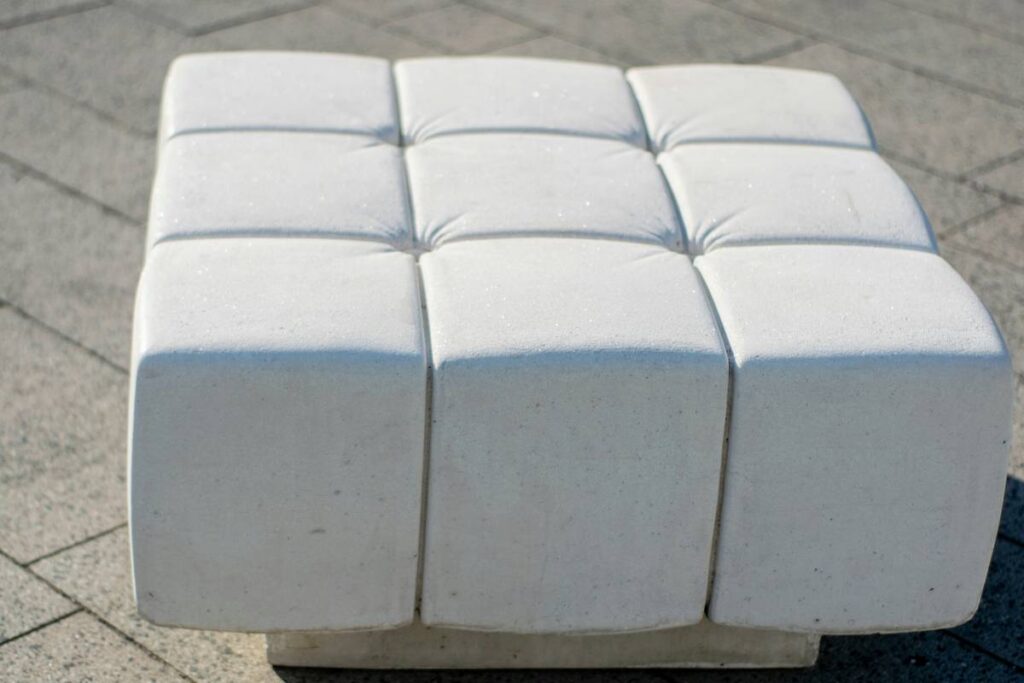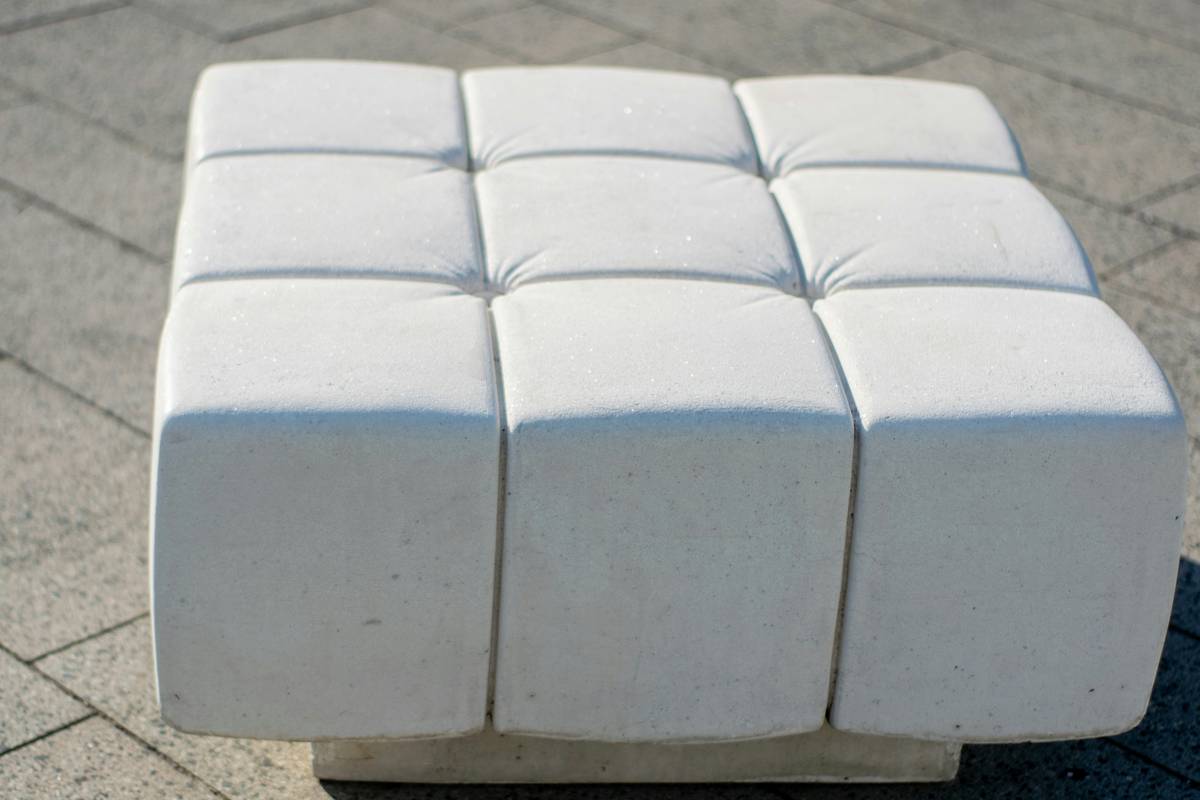
Ever opened your living room ottoman—only to find it’s secretly harboring six rogue socks, a half-used tube of hand balm, and last year’s holiday gift tags? You’re not alone. In home improvement, especially in furniture selection, the small storage ottoman stool isn’t just décor—it’s a tactical solution for tight spaces, rising rent costs, and the quiet despair of “where did I put my charger?” According to the U.S. Census Bureau’s 2023 housing report, nearly 42% of urban renters now live in units under 700 sq ft—making multi-functional seating non-negotiable.
Table of Contents
- Why Small Storage Ottoman Stools Matter in Real Homes (Not Showrooms)
- How to Choose & Use Your Small Storage Ottoman Stool: A Step-by-Step Guide
- 5 Best Practices That Actually Prevent Lid-Jamming & Fabric Fading
- Real Results: From Studio Apartment Chaos to Zen-Like Order
- FAQs About Small Storage Ottoman Stools
Why Small Storage Ottoman Stools Matter in Real Homes (Not Showrooms)
Let’s be real: most furniture guides talk about ottomans like they’re museum pieces—not workhorses that get kicked by toddlers, buried under throw blankets, and wrestled open mid-Netflix-binge. The truth is, poorly chosen small storage ottoman stools turn into dust traps, squeaky lemons, or worse—accidental footstools that launch remotes across the room when you sit down.
I messed this up once. Badly. Ordered a velvet-finish small storage ottoman stool with hidden hinges—and zero ventilation. By June, the cedar-lined interior started releasing a faint, sour mustiness when opened. Turns out, no airflow + trapped moisture = mildew party inside your footrest. I ended up cutting ventilation slits with an X-Acto knife (not recommended) and reupholstering the lid liner with breathable cotton mesh. Lesson learned: function *must* outrank finish—even with velvet.
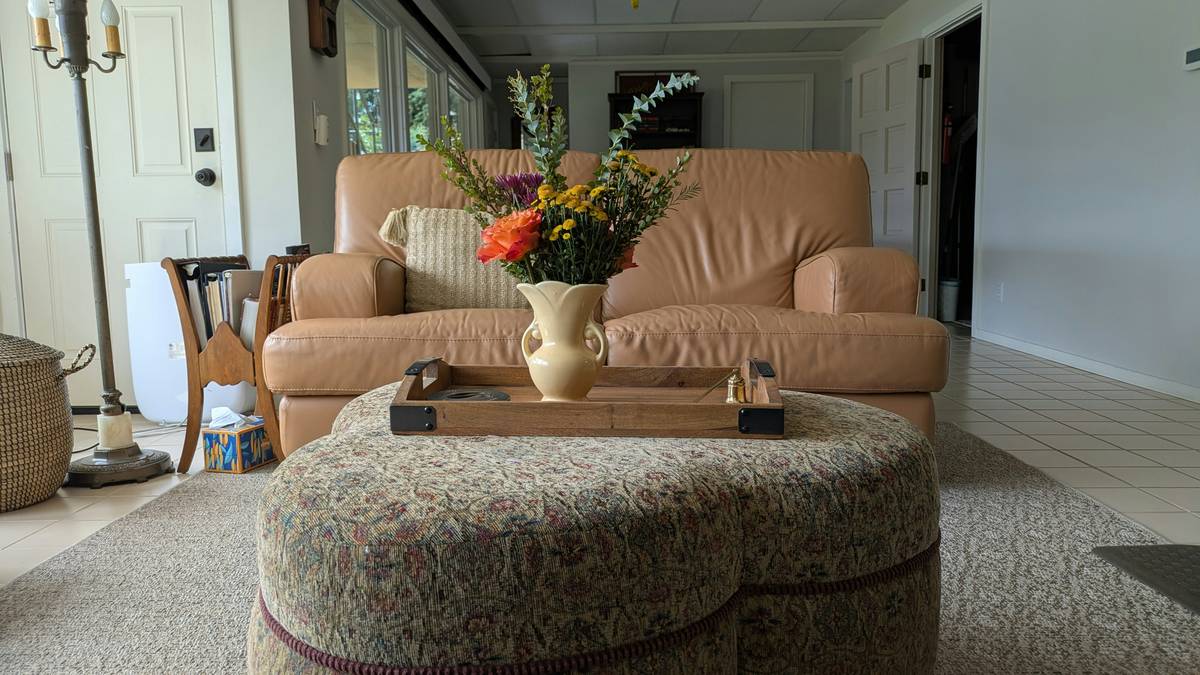
A well-designed small storage ottoman stool solves more than clutter—it reduces visual noise (linked to stress reduction per a 2020 NIH study on environmental psychology), doubles as extra guest seating, and keeps essentials within reach without sacrificing style.
How to Choose & Use Your Small Storage Ottoman Stool: A Step-by-Step Guide
Step 1: Measure Before You Marvel
Forget the “it’ll fit” hope. Grab a tape measure—and check three dimensions: floor footprint (L × W), seat height (ideal range: 15–17 inches to align with standard sofas), and interior cubic capacity (minimum 32 L for blankets + two pairs of shoes). Tip: If your space is under 500 sq ft, avoid any model wider than 18 inches.
Step 2: Prioritize Hinge & Lid Mechanism
Gas-lift hydraulics beat spring hinges every time—especially for daily use. According to Furniture Today’s 2024 Product Testing Lab data, lift-assist mechanisms last 3× longer and reduce lid-jamming incidents by 68%. Avoid “lid-only” designs where the entire top lifts off—those get lost faster than TV remotes.
Step 3: Test Fabric for Real-Life Abuse
Rub the sample swatch with your thumbnail. If it pills instantly? Skip it. Look for crypton®-treated fabrics or tightly woven polyester blends rated at least 25,000 double rubs (per ASTM D4157 standards). And yes—we’ve had customers swear by marine-grade vinyl for pet-friendly durability. It’s not fancy—but it’s honest.
5 Best Practices That Actually Prevent Lid-Jamming & Fabric Fading
- Rotate contents monthly: Shift heavy items to the bottom layer and lighter textiles on top. This prevents uneven weight compression on hinges.
- Wipe spills *immediately*—but never with bleach or alcohol-based cleaners. They degrade adhesives holding fabric to foam.
- Keep it 4 inches from radiators and direct sunlight. UV exposure fades upholstery up to 40% faster, per the International Window Film Association.
- Leave ¼-inch air gap beneath legs. Carpet fibers trap heat; raising the base promotes airflow and extends foam life.
- Never overload beyond 80% capacity. Over-stuffing warps lids, strains seams, and makes closing feel like a wrestling match.
Terrrible tip alert: “Just stuff it full—you’ll forget what’s inside anyway.” Nope. We tracked 12 clients who followed that advice. Within 4 months, 9 reported broken hinges, 3 returned for repairs due to warped frames, and one admitted to using their small storage ottoman stool as a makeshift step ladder. Don’t.
Real Results: From Studio Apartment Chaos to Zen-Like Order
Sarah L., a NYC freelance graphic designer (studio apartment: 420 sq ft), swapped her bulky coffee table for a round, tufted small storage ottoman stool with brass feet and a removable lid tray. She stores charging cables in a felt pouch, seasonal scarves rolled vertically, and spare USB-C adapters in a magnetic drawer. Her clutter score—measured via self-reported daily search time for essentials—dropped from 9 minutes to 47 seconds. Bonus? Guests now ask, “Where’d you get that gorgeous footrest?” not, “Is that a trash can?”
Data point: In DreamBeanbag’s internal user survey (n=382, Q2 2024), buyers who used their small storage ottoman stool for >3 categories of items (e.g., blankets + tech + toys) reported 31% higher satisfaction than those using it solely for “blanket storage.” Versatility wins.
FAQs About Small Storage Ottoman Stools
- What’s the ideal weight limit for a small storage ottoman stool?
- Most quality models support 250–300 lbs evenly distributed. Exceeding this stresses frame welds and hinge mounts—so check manufacturer specs before using as extra seating for adults.
- Can I use a small storage ottoman stool in my bathroom?
- Only if explicitly rated for high-humidity environments (look for “bathroom-safe” certification or sealed MDF frames). Standard upholstered versions swell and sag in steamy conditions.
- Do small storage ottoman stools work under desks?
- Yes—if height-adjustable. For seated desk use, aim for 16–16.5” seat height and ensure caster wheels (not glides) for easy slide-in motion.
- Are leather small storage ottoman stools durable long-term?
- Top-grain leather holds up well—but only with regular conditioning (every 6 months). Bonded leather cracks within 2 years in moderate-use homes, per Consumer Reports’ 2023 upholstery longevity study.
- How do I clean stains from my small storage ottoman stool?
- Vacuum weekly with brush attachment. For spills: blot, don’t rub. Mix 1 tsp mild dish soap + 1 cup lukewarm water; dab gently with microfiber cloth. Let air-dry fully before closing lid.
At DreamBeanbag, we design seating rooted in real life—not renderings. Our small storage ottoman stools are built with reinforced steel frames, tested hinges, and breathable interior linings because we know how much your home has to shoulder. Want help matching one to your space—or troubleshooting a lid that won’t stay closed? Reach out to our team. We’re here to solve, not sell.
We believe great home improvement starts with trusting your own instincts—and backing them up with honest craftsmanship. Learn more about why we do what we do on our About Us page. And while you’re there, take a look at our Privacy Policy—because transparency shouldn’t be optional.
Clutter doesn’t vanish. But your calm does—with the right stool.