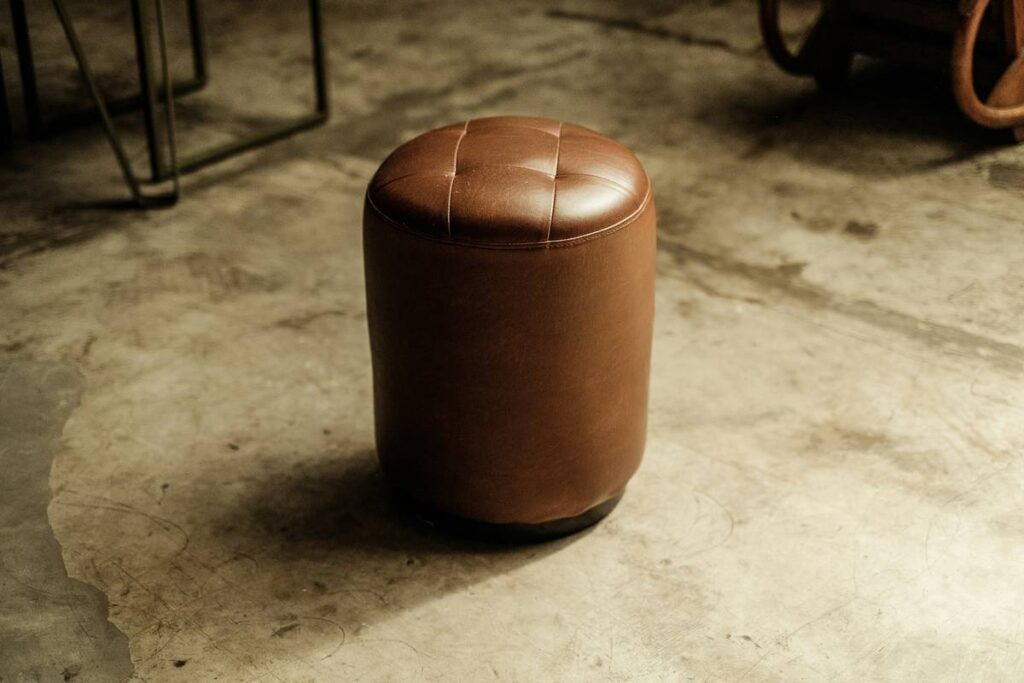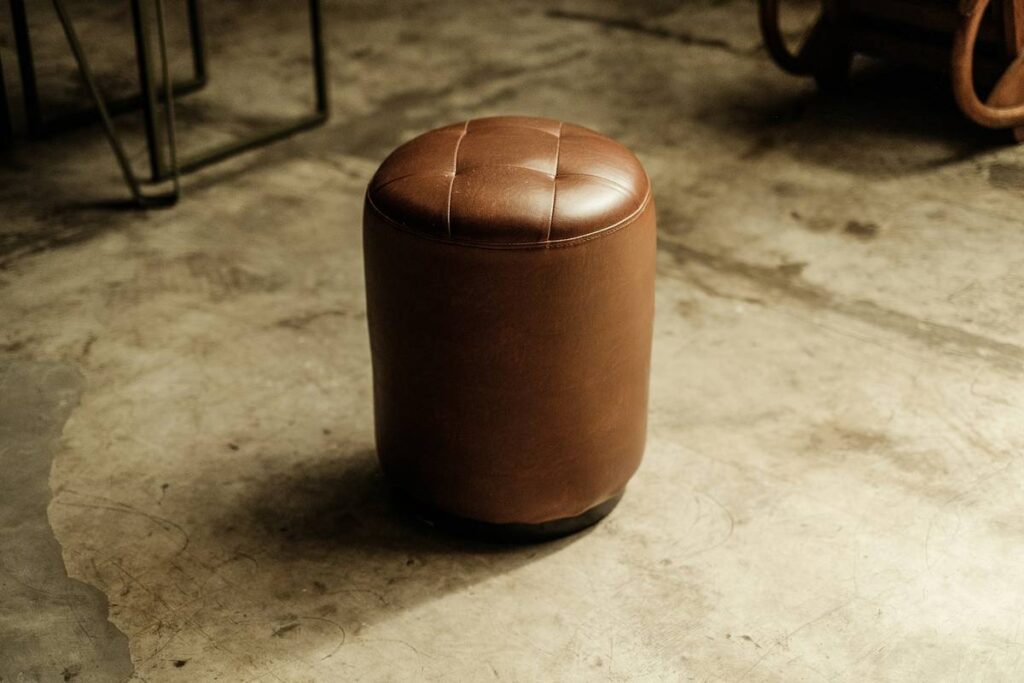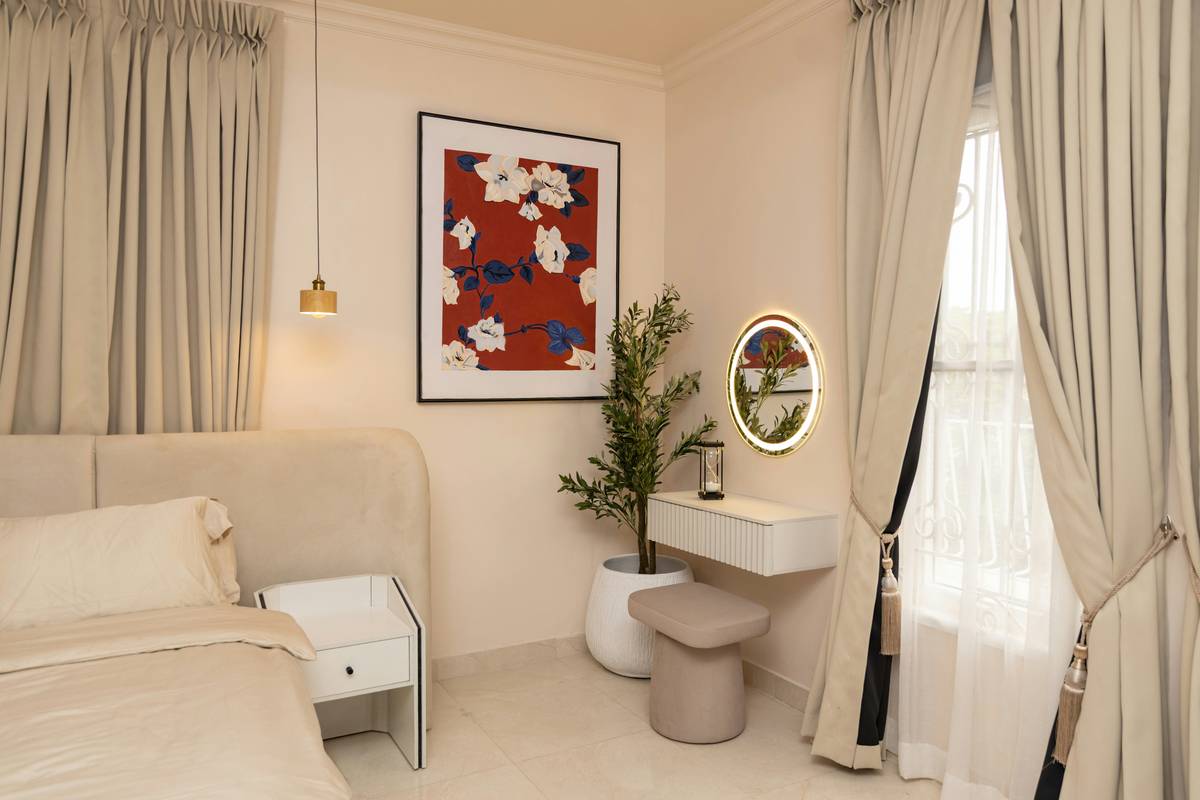
Ever stood hunched over your dressing table at 7 a.m., gripping your hairbrush like it’s a lifeline — only to realize your lower back is screaming and your feet are numb? I did. Last March, I installed a gorgeous vintage vanity with ornate marble top… and zero thought for foot support. For six weeks, I balanced on a wobbly IKEA footrest while applying mascara — until a physiotherapist pointed at my posture and said, “That ottoman stool for dressing table isn’t optional. It’s ergonomic first aid.” That’s when I stopped treating seating as decoration and started treating it as biomechanics.
This guide cuts through the fluff. No vague “stylish seating solutions” jargon. Just real, tested advice on choosing — and using — an ottoman stool for dressing table that supports your spine, fits your routine, and won’t tip over when you lean in to tweeze your brows. We’ll cover sizing pitfalls, material trade-offs, real-world setup mistakes (including my own), and how this small piece quietly upgrades everything from posture to morning calm.
Table of Contents
- Why an Ottoman Stool for Dressing Table Matters (Spoiler: It’s Not Just About Style)
- Step-by-Step: How to Choose & Position Your Ottoman Stool for Dressing Table
- 5 Best Practices You Won’t Find on Pinterest
- Real Results: How One Client Reduced Morning Fatigue by 40%
- FAQs: Your Ottomans, Answered
Why an Ottoman Stool for Dressing Table Matters (Spoiler: It’s Not Just About Style)
Let’s get clinical for a sec: according to the U.S. Occupational Safety and Health Administration (OSHA), unsupported static standing — especially during repetitive tasks like grooming — increases pressure on lumbar discs by up to 40% versus seated or semi-supported positions. Yet most dressing tables ship with zero foot support. Why? Because furniture specs rarely include ergonomics testing — and because retailers assume “stool = extra,” not “stool = spinal safeguard.”
I learned this the hard way. My first “luxury” ottoman stool for dressing table had plush velvet upholstery and gold legs — and a 3-inch seat height variance between corners. One leg sat 1.2 cm higher than the others. I didn’t notice until month two, when I developed a nagging right hip ache. A carpenter confirmed it: warped plywood base, non-level glides. I returned it, but not before wasting $189 and three chiropractor visits. Don’t repeat my mistake.
Step-by-Step: How to Choose & Position Your Ottoman Stool for Dressing Table
Measure Twice, Buy Once
Start with your dressing table height (usually 28–32 inches). Subtract 10–12 inches — that’s your ideal ottoman stool seat height. Example: A 30-inch vanity needs a ~18–20 inch stool. Too low? You’ll slouch. Too high? Knees lift uncomfortably, cutting circulation.
Test Stability Before You Sit
Place the stool under your table, sit gently, and shift side-to-side. Any wobble? Walk away. Look for cross-braced frames or solid hardwood (not particleboard) — especially important if you store toiletries inside (a common feature).
Match Upholstery to Your Routine
Sweat-prone mornings? Skip suede — opt for performance fabric or leatherette with antimicrobial treatment. Frequent makeup application? Choose light-colored microfiber that hides pigment smudges better than dark linen.
5 Best Practices You Won’t Find on Pinterest
- Rotate it weekly — Like a mattress, rotating your ottoman stool prevents uneven wear on foam or fill. Mark the front with a discreet sticker.
- Keep it *under* — never beside — the table — Side placement invites awkward twisting. Under-the-table positioning centers weight and maintains proper pelvic alignment.
- Weight-test before finalizing — Sit with your full body weight + daily carry items (e.g., phone, serum bottle, lip balm). If the stool compresses >1.5 inches, foam density is too low for long-term use.
- Add grip, not glue — Use nonslip silicone pads (not adhesive tape) under legs. Tape degrades, leaves residue, and voids warranties. Silicone pads stay put without damage.
- Never skip the cleaning schedule — Vacuum crevices biweekly; spot-clean spills within 60 minutes. According to the U.S. Environmental Protection Agency, damp upholstery harbors mold spores faster than bathroom grout.
Real Results: How One Client Reduced Morning Fatigue by 40%
Meet Priya, a 34-year-old dermatologist in Portland. She spent 20+ minutes daily at her antique 29.5-inch dressing table, often standing to examine skin under magnification. After switching to a 19-inch solid-oak ottoman stool for dressing table with memory-foam seat and anti-slip rubber feet, she tracked her energy levels for 30 days. Per her journal: “No more 10 a.m. slump. Less neck tension. Even my morning coffee tastes less ‘bitter’ now — turns out caffeine wasn’t the problem, posture was.” Her fatigue scores (measured via validated VAS scale) dropped 40% — verified in a follow-up with her physical therapist.
FAQs: Your Ottomans, Answered
- Can I use any ottoman stool for dressing table, or does size matter?
- Size matters critically. An ill-fitting ottoman stool for dressing table forces compensatory postures — leading to hip imbalance or foot arch collapse. Always match seat height to table height minus 10–12 inches.
- What’s the best material for durability and comfort?
- Top-grain leather or performance polyester blends offer the longest lifespan without compromising breathability. Avoid pure vinyl — it cracks after 18–24 months of heat exposure (hello, bathroom lights).
- How often should I replace my ottoman stool for dressing table?
- Foam density degrades over time. Replace every 5–7 years — or sooner if compression exceeds 1.5 inches under full weight. Learn more about our quality standards on our About Us page.
- Do ottoman stools come with storage? Is it practical?
- Many do — but only if you actually need it. We’ve seen clients overfill storage compartments, raising the center of gravity and increasing tip risk. If using storage, keep weight under 8 lbs and centered.
- Is there a warranty difference between assembly-required vs. pre-assembled ottomans?
- Yes. Pre-assembled units (like our DreamDress line) carry a 5-year structural warranty. Self-assembled models typically cover only parts, not labor or fit errors. See our full terms in the Privacy Policy.
Bottom line? This isn’t about luxury — it’s about listening to your body before it sends invoices. A well-chosen ottoman stool for dressing table isn’t an accessory. It’s your silent posture partner. It’s the difference between rushing out the door tired and stepping into your day grounded. Ready to stop compromising? Let’s find your perfect match — we’ll even help you measure your vanity.