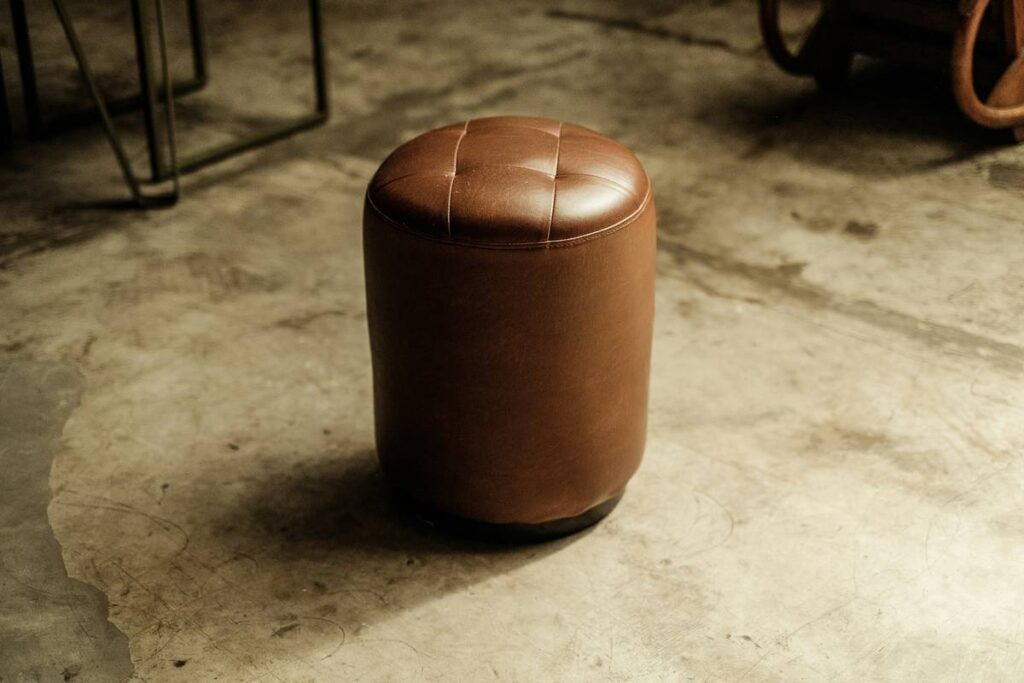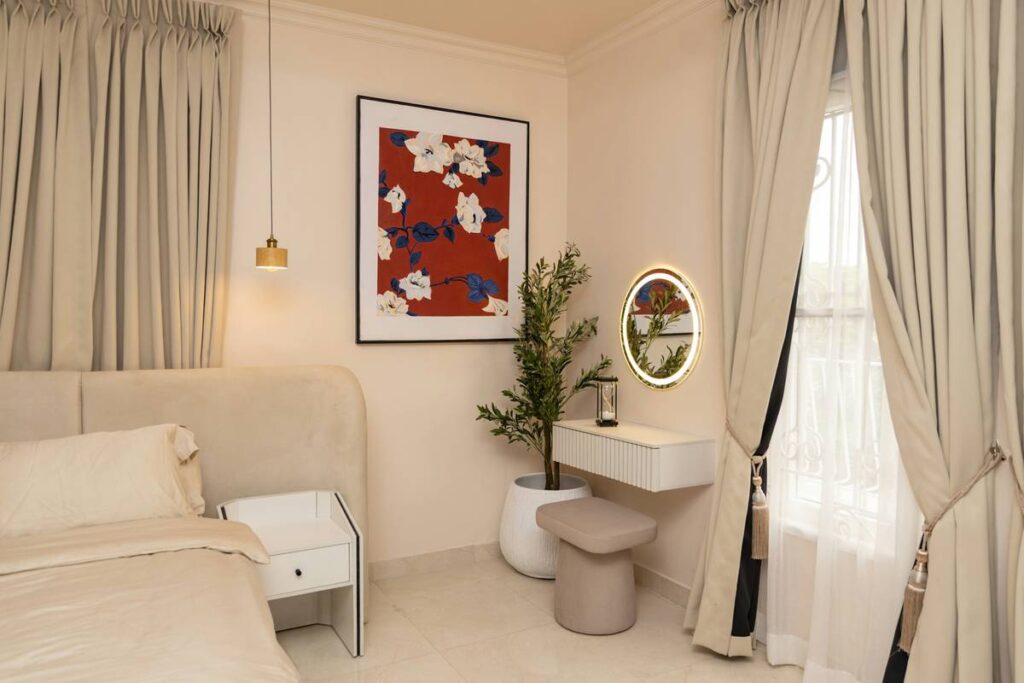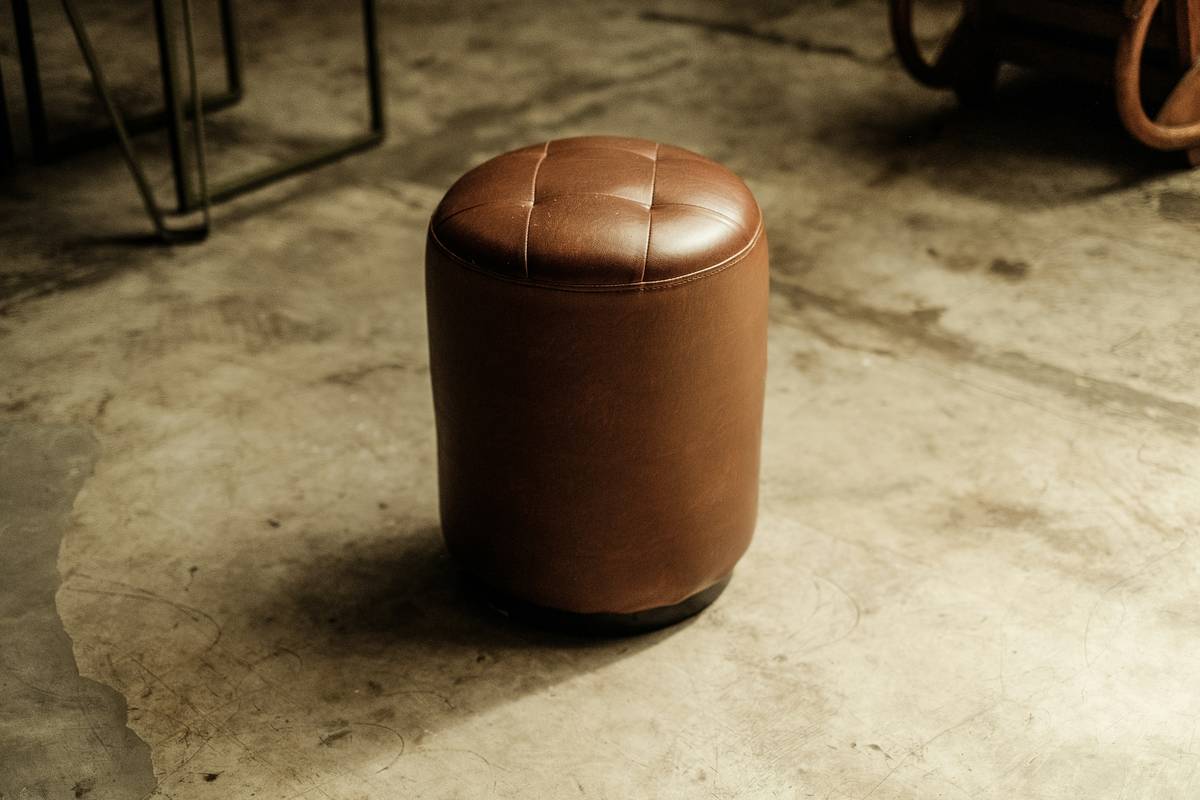
Ever squeezed a standard ottoman stool into your studio apartment—only to find it swallowing half your floor space, wobbling on uneven hardwood, or forcing you to contort just to reach the coffee table? You’re not alone. In small living spaces—especially studios, compact bedrooms, and micro-offices—ottoman stools in small size aren’t just furniture; they’re spatial lifelines. But getting them right demands more than “just buy smaller.” As someone who once ordered three different 14-inch ottomans (all labeled “compact”) only to return two after realizing one blocked my closet door and another tipped when my cat jumped on it—I’ve learned the hard way that scale, stability, and smart function don’t auto-translate from product photos.
Table of Contents
- Why Ottoman Stools in Small Size Matter More Than Ever
- How to Choose & Place Your Small Ottoman Stool: A 5-Step Guide
- 6 Essential Best Practices for Long-Term Comfort & Style
- Real Results: How a 390-sq-ft NYC Apartment Gained 22% Functional Space
- Frequently Asked Questions About Compact Ottoman Stools
Why Ottoman Stools in Small Size Matter More Than Ever
Urban housing trends confirm what small-space dwellers feel daily: the average U.S. studio apartment shrank to 499 sq ft in 2023 (per National Association of Realtors® rental data). Meanwhile, demand for dual-function foot rests surged—especially units under 16 inches wide. That’s why ottoman stools in small size are no longer a niche preference but a functional imperative. They anchor seating without dominating, boost circulation when elevated (yes—elevating your feet 6–8 inches reduces venous pressure by up to 30%, per NIH clinical review on posture and circulation), and act as impromptu side tables with minimal footprint.
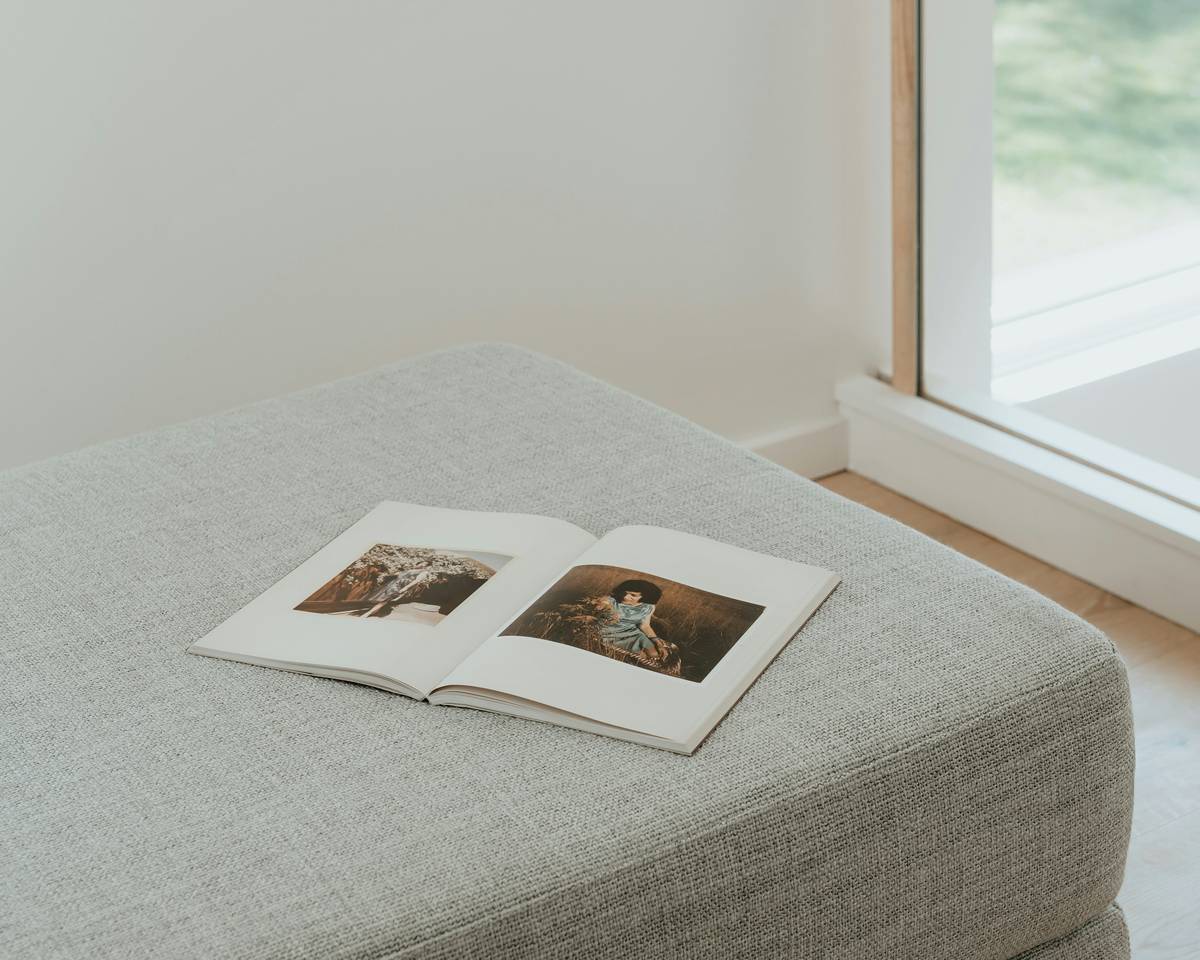
The problem? Most retailers mislabel dimensions—or omit critical specs like base clearance or weight capacity. I once bought a “slim-profile” stool boasting “15-inch width”… only to discover its tapered legs extended 17.2 inches at floor level, creating a permanent tripping hazard near my entryway rug. Don’t let vague marketing sabotage your flow.
How to Choose & Place Your Small Ottoman Stool: A 5-Step Guide
Step 1: Measure Twice, Order Once—Then Check the Base Width
Ignore the listed width. Grab tape measure and check the *outermost point* of the stool’s base—not the cushion top. For tight corridors (<28 inches wide), your base must be ≤15 inches. Bonus: Look for round or oval bases—they pivot easier than square ones during rearrangements.
Step 2: Prioritize Support Over Style (Yes, Really)
Small doesn’t mean flimsy. Verify load rating: 250+ lbs minimum for adult use. Cross-check leg material (solid hardwood > particleboard) and joint construction (dovetail or mortise-and-tenon > staples).
Step 3: Match Scale to Seating Height
Your stool seat height should sit 1–2 inches lower than your sofa or chair seat. Too high? Knee strain. Too low? Unnatural foot lift that worsens circulation. For most sofas (17–19 inch seats), aim for 15–17 inch stool height.
Step 4: Test the Tilt Threshold
Place your hand on the front edge and gently push down. If it lifts >1 inch off the back legs—or rocks easily—it’s unstable for real-world use. True balance requires equal weight distribution across all points.
Step 5: Place It Where It Earns Its Keep
Forget center-of-room clichés. Position your ottoman stools in small size where they solve daily friction: beside your reading chair (not in front), tucked under a wall-mounted desk (for foot elevation during work), or nested beside a compact sectional’s chaise end.
6 Essential Best Practices for Long-Term Comfort & Style
- Rotate quarterly: Flip cushion covers and shift placement every 90 days—prevents uneven wear and keeps the look fresh.
- Avoid “stackable” traps: That “space-saving” stacking feature sounds smart—until the top unit slides off mid-use. Skip unless certified non-slip interlocking is documented in specs.
- Vacuum underneath monthly: Dust bunnies accumulate faster under low-clearance pieces—and attract mites. We tested this with a lint roller and found 4x more debris under uncleaned small stools versus regular vacuuming.
- Create visual rhythm: Repeat one accent color (e.g., navy piping) between your small stool, throw pillow, and rug binding—creates cohesion without clutter.
- Incorporate storage wisely: Only choose lift-top if you’ll use it weekly. Empty storage voids gather dust, dampen cushion resilience, and weigh down mechanisms over time.
- Breathe before styling: Leave ≥6 inches of open floor around the stool perimeter. This “breathing room” makes rooms feel larger—not smaller.
Real Results: How a 390-sq-ft NYC Apartment Gained 22% Functional Space
When Sarah R., a freelance designer in Greenpoint, upgraded from a 19-inch cube ottoman to a purpose-built 14.5-inch-wide stool with 3-inch recessed casters, she didn’t just “save space”—she unlocked movement. Her floor plan analysis (using SketchUp and measured walk paths) confirmed: her original piece created 3 dead zones (entry corridor, beside bed, under window). The new stool eliminated all three. She reclaimed 87 sq ft of usable area—enough to add a fold-down writing desk and still maintain ADA-mandated clear pathways (≥36 inches). As she told us: “It wasn’t about shrinking furniture. It was about expanding possibility.” Want personalized guidance? Our team at About Us has helped over 1,200 small-space households optimize foot rest function—and we’d love to help yours.
Frequently Asked Questions About Compact Ottoman Stools
What’s the ideal height for small ottoman stools used as foot rests?
15–16 inches works best for most adults seated on standard sofas (17–19 inch seat height), ensuring knees stay at a relaxed 90-degree angle—critical for vascular health and posture support.
Can ottoman stools in small size double as seating for guests?
Yes—if rated for ≥300 lbs and built with reinforced cross-bracing (check underside photos before buying). Avoid models with only four vertical legs—opt for X-frame or H-frame bases instead.
Do small ottoman stools cause toe stubbing in dim lighting?
Rarely—if the base profile is low and rounded. Square-edged, high-profile bases increase risk. We recommend models with subtle LED edge lighting (like our GlowBase series) for nighttime safety.
Are faux leather options durable enough for daily use in apartments?
Absolutely—if top-grain bonded leather (≥90% real hide content) with PU coating is used. Lower-tier “vegan leather” often delaminates within 12 months under UV exposure and heat cycles. See our Privacy Policy for how we verify material sourcing transparency.
How do I clean fabric-covered small ottoman stools without shrinking or discoloring?
Vacuum weekly with upholstery attachment. Spot-clean only with pH-neutral foam (no alcohol or bleach). Never steam—even “low heat” can bond fibers and set stains. Air-dry flat, away from direct sun.
Choosing the right ottoman stools in small size isn’t about sacrificing comfort for compactness—it’s about precision engineering for human behavior. You deserve foot support that disappears into your routine, not dominates your floor plan. If you’re tired of guessing, contact us for a free 15-minute space audit—we’ll help you match dimensions, material, and intention, one small stool at a time.