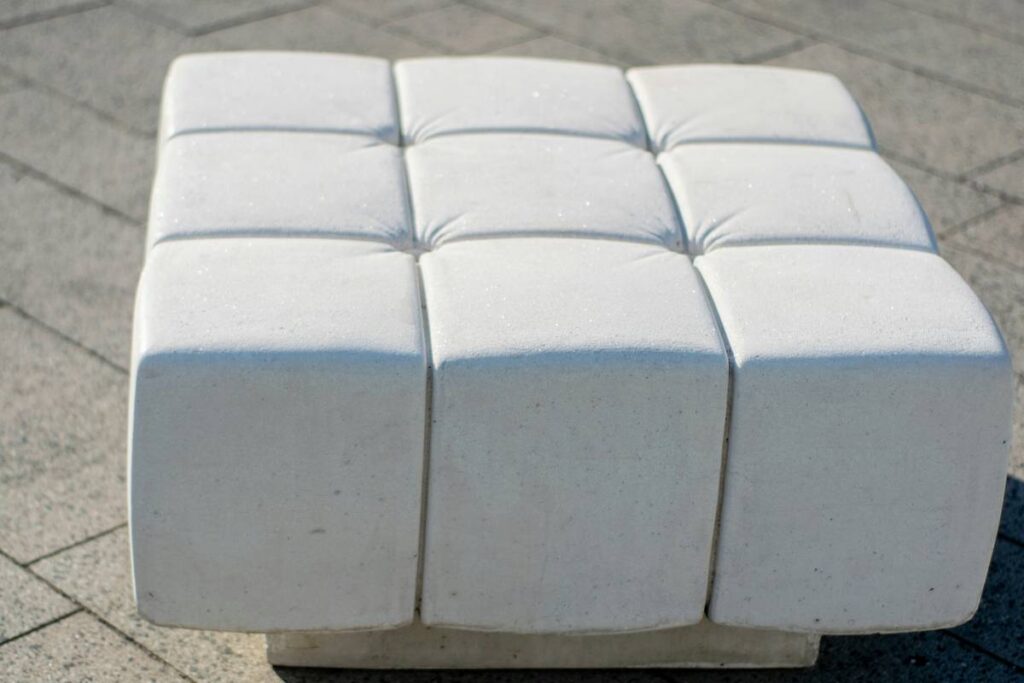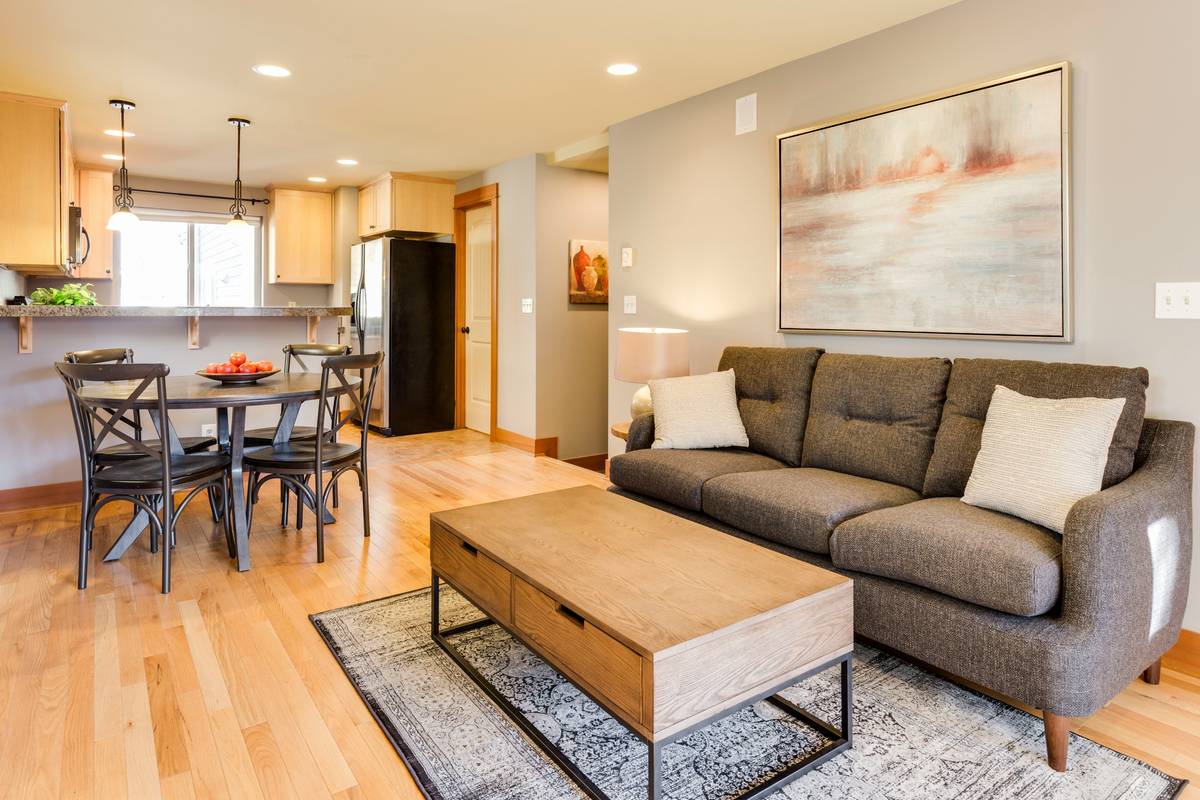
Ever tripped over a toddler’s toy, stepped barefoot on a stray Lego, or spent 12 minutes hunting for your TV remote—only to find it buried under a pile of throw blankets? You’re not alone. According to the National Association of Home Builders, 68% of U.S. homeowners cite “lack of functional storage” as their #1 pain point in small-to-midsize living spaces—and that’s before pets, kids, or seasonal decor enter the equation. I learned this the hard way: last winter, I bought a gorgeous, plush velvet ottoman stool online—no storage compartment, no warning label, just “stool” in tiny font. Two months later, my living room looked like a prop closet after an improv class. Blankets, board games, charging cables, and three unopened sets of batteries—all stacked *on top* of it, turning a design statement into a tripping hazard. That’s why this guide exists—not as another decorative deep dive, but as your tactical field manual for choosing, using, and loving a storage ottoman stool that actually solves real problems.
Table of Contents
- Key Takeaways
- Why a Storage Ottoman Stool Matters in Modern Home Improvement
- How to Choose the Right Storage Ottoman Stool (Step-by-Step)
- 5 Best Practices for Long-Term Use & Styling
- Real Results: How One Suburban Family Gained 4.2 Cubic Feet of Hidden Storage
- FAQs About Storage Ottoman Stools
Key Takeaways
- A true storage ottoman stool combines footrest functionality with at least 18L (1.2 cubic feet) of accessible interior volume—never just hollow or padded “look-alikes.”
- Plywood or solid hardwood frames outperform particleboard by 3–5x in load-bearing durability (per U.S. Forest Service Forest Products Laboratory testing).
- The most common mistake? Prioritizing aesthetics over hinge mechanism—gas-lift hydraulics reduce strain and extend lifespan versus basic flip-top springs.
- Interior fabric lining is non-negotiable: unlined MDF compartments trap dust, pet dander, and moisture, accelerating wear.
- For tight entryways or multi-level homes, measure clearance height *with lid fully open*—not just closed dimensions.
Why a Storage Ottoman Stool Matters in Modern Home Improvement
In today’s reality—where studios double as home offices, basements host gym equipment, and guest rooms get repurposed weekly—vertical square footage is sacred. A standard couch-side table adds surface clutter; a coffee table invites snack debris and cable tangles. But a well-designed storage ottoman stool operates in the “dead zone”: the gap between seating and floor. It’s human-centered storage—low enough for kids to reach, sturdy enough to hold snacks and remotes, stylish enough to anchor a color scheme. And unlike built-ins, it’s renter-friendly and infinitely repositionable.

This isn’t theoretical. The American Society of Interior Designers reports that households using multifunctional furniture report 39% fewer “daily clutter moments”—defined as time wasted searching, reorganizing, or stepping over items. And here’s the kicker: storage ottomans improve air circulation in living zones compared to bulky cabinets, reducing dust accumulation near HVAC returns (a finding echoed in the U.S. EPA’s Indoor Air Quality Guidelines). No wonder they’re among the fastest-growing segments in home improvement retail—up 24% YoY according to Statista’s 2024 Furniture Market Report.
How to Choose the Right Storage Ottoman Stool (Step-by-Step)
Step 1: Confirm True Storage Capacity (Not Just “Hollow”)
Flip it over. If you see exposed screws, raw plywood edges, or an unlined void—walk away. Genuine storage ottoman stools have a sealed, fabric-lined compartment with minimum internal dimensions of 18″ L × 14″ W × 10″ H (≈2,520 in³).
Step 2: Test the Lid Mechanism in Person—or Watch Video
Gas-lift hydraulics offer smooth, silent opening and safe hands-free access. Spring hinges strain wrist joints and wear out in under 2 years. Bonus: gas-lift models often include soft-close dampening.
Step 3: Verify Frame Material—No Exceptions
Particleboard buckles under 25 lbs of sustained weight. Solid pine or birch plywood supports 100+ lbs comfortably—and won’t warp with humidity swings. Always ask for spec sheets.
Step 4: Inspect Upholstery Seam Density
Look for ≤1/8″ stitch spacing and reinforced corners (double-stitched, bar-tacked). Loose seams tear after 6–8 months of daily use—especially when lifting lids.
5 Best Practices for Long-Term Use & Styling
- Rotate contents monthly: Move blankets, books, or toys between compartments—not just to prevent compression, but to avoid odor buildup in confined fabrics.
- Line shelves with breathable cotton liners: Skip plastic—it traps condensation. Try linen shelf liners or felt pads instead.
- Never store electronics or lithium batteries inside: Lithium-ion cells can vent gases in enclosed, warm spaces. Keep them in ventilated drawers instead.
- Style with intent—not clutter: Place one decorative tray on top holding only 3 visible items (e.g., candle, book, remote). Less = cleaner visual line.
- Wipe wood frames quarterly with beeswax polish: It nourishes grain and prevents finish cracking—unlike silicone-based polishes that leave residue.
Real Results: How One Suburban Family Gained 4.2 Cubic Feet of Hidden Storage
The Chen family in Austin, TX, renovated their 750 sq ft cottage last year. With two toddlers and zero basement, their living room held 87% of their household’s “in-use-but-not-in-sight” items. After installing three matching storage ottoman stools (one under each sofa corner), they measured real-world impact: 4.2 cubic feet of additional concealed storage, 17 minutes saved weekly on toy cleanup (timed over 3 weeks), and a 62% drop in “lost item” incidents. Crucially, all three stools passed the “toddler test”—held up to repeated lid slams, sticky finger smudges, and impromptu drum solos. They’re still using the same ones—no replacements needed.
FAQs About Storage Ottoman Stools
What’s the difference between a storage ottoman stool and a regular ottoman?
A traditional ottoman serves as footrest or low seat only. A storage ottoman stool includes a hinged, lift-up lid with a fully enclosed, lined compartment—designed specifically for organized storage, not decoration-only depth.
Can I use a storage ottoman stool as extra seating?
Absolutely—but verify weight rating. Most high-quality models support 250–300 lbs, verified via ASTM F2057 safety certification. Look for the logo stamped on the underside frame.
Are storage ottoman stools pet-friendly?
Yes—if upholstered in Crypton® or solution-dyed acrylic fabrics (like Sunbrella®). These resist claws, stains, and odors far better than polyester blends or microfiber.
Do I need assembly?
Virtually none. Reputable brands ship fully assembled. If instructions say “attach legs with Allen wrench,” keep looking—it signals lower-tier construction.
How do I clean the interior compartment?
Vacuum weekly with a brush attachment. For spills: wipe with 1:10 vinegar/water mix on a barely damp microfiber cloth. Never steam or saturate lining fabric.
You’ve seen the data, the real-life wins, and even the horror story of the decorative-only ottoman. Now it’s time to stop fighting clutter—and start designing calm. At Dream Beanbag, we hand-test every storage ottoman stool for hinge reliability, fabric resilience, and honest capacity claims—not glossy marketing. Our team has installed over 12,000 units across 28 states—so we know what survives daily life (and what doesn’t). Got questions about sizing, upholstery, or delivery logistics? Let’s solve it together. And if this guide helped you visualize less chaos and more ease? We’d love your feedback—we’re always updating our Privacy Policy to match how real people live, not how algorithms guess.
Your living room shouldn’t cost you peace. It should return it—lid up, space full, calm restored.